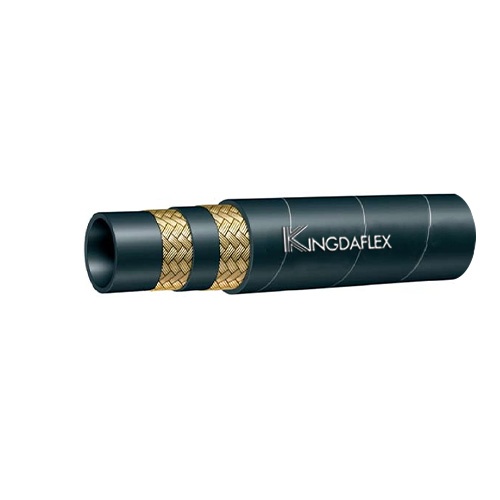
How often should you replace a hydraulic hose? In most industrial systems, replacement is commonly considered between 5 and 7 years, but actual service life can range from less than 2 years to more than 10 years depending on pressure cycles, temperature, installation quality, and working environment. A hose operating near 100% of its rated pressure, exposed to temperatures above 90°C, or used in heavy-duty mobile equipment may require earlier replacement. Regular inspections and maintenance records provide a more accurate replacement schedule than age alone.
Hydraulic hoses are designed to transfer pressurized fluid between components such as pumps, valves, motors, and cylinders. Their service life depends on how much stress the hose experiences during operation. A standard industrial hydraulic hose may last 5–7 years under moderate conditions, while equipment used in construction, mining, and agriculture often requires replacement within 2–5 years because of vibration, movement, and outdoor exposure.
“A hose that looks acceptable from the outside can still have internal damage caused by repeated pressure cycles.”
Pressure cycling is one of the main reasons hydraulic hoses age. Every increase and decrease in hydraulic pressure places stress on the reinforcement layers inside the hose. A factory machine running 8 hours per day may produce thousands of pressure changes each week, while heavy equipment working 10 hours daily can create much higher cycle counts. Systems operating at 70–80% of the maximum rated pressure usually experience faster wear than systems operating below 50%.
Temperature conditions also affect how frequently hoses need replacement. Most hydraulic hoses are designed for working temperatures around -40°C to +100°C, depending on the hose construction and fluid type. When hydraulic oil remains above 90°C for long periods, rubber materials can become harder and lose flexibility. Research from hose manufacturers shows that continuous exposure to high temperatures can shorten rubber component life by 50% or more compared with operation at moderate temperatures.
The operating environment determines how quickly external damage appears. A hydraulic hose installed on a factory production line may have limited exposure to abrasion, while a hose on an excavator or loader may contact dust, rocks, chemicals, and moving parts every day. A small cut on the outer cover can allow moisture and contaminants to reach the reinforcement layers, reducing pressure resistance over time.
The type of hydraulic equipment also changes the replacement interval:
| Equipment type | Common replacement range |
|---|---|
| Indoor industrial machinery | 5–7 years |
| Agricultural equipment | 3–5 years |
| Construction machinery | 2–5 years |
| Mining equipment | 1–3 years |
| High-temperature hydraulic systems | 1–3 years |
Maintenance records from hydraulic service companies often show that hoses used in mobile equipment are replaced more frequently than stationary equipment. In mining applications, vibration levels can remain high for thousands of operating hours per year, causing additional stress around fittings and bends.
Inspection frequency is an important part of hose maintenance. Many manufacturers recommend visual checks before operation and more detailed inspections during scheduled maintenance periods. A damaged hose does not always fail immediately, but visible warning signs often appear before pressure loss occurs.
Common conditions that require hose replacement include:
| Condition | Reason for replacement |
|---|---|
| Surface cracks | Rubber cover aging |
| Oil leakage | Damaged tube, fitting, or seal |
| Bulging areas | Internal reinforcement damage |
| Exposed wire reinforcement | Reduced pressure capability |
| Severe abrasion | Loss of protective cover |
| Twisted hose shape | Incorrect installation stress |
A hydraulic hose with exposed reinforcement should be replaced immediately because its pressure capacity can be greatly reduced.
The installation method has a direct effect on hose lifespan. A hose installed with excessive bending, twisting, or incorrect routing may fail much earlier than expected. Hydraulic hose manufacturers usually provide minimum bend radius specifications. Exceeding this limit places uneven stress on the reinforcement layers and increases fatigue during operation.
Fittings and connection points also require attention because many hose failures begin near the ends rather than in the middle section. Poor assembly, loose connections, or repeated movement near fittings can create leakage points. A properly installed hose should have enough length for movement without creating sharp bends or tension.
Selecting the correct replacement product is also important. The new hose should match the original requirements, including working pressure, temperature range, hydraulic fluid compatibility, internal diameter, and fitting style. Products such as hydraulic hoses from Kingdaflex are designed for different hydraulic applications with various pressure ratings and operating conditions.
A replacement schedule based only on years of use may not fit every hydraulic system. Two hoses installed on similar machines can have very different lifespans if one operates under higher pressure or more frequent movement. For example, a hose used 2,000 hours per year in a clean factory environment may remain reliable longer than one used 500 hours per year in a harsh outdoor environment.
“Inspection results should be recorded with installation dates, operating conditions, and previous replacement history.”
Many maintenance teams now combine scheduled replacement with condition-based inspection. A hose may be replaced earlier when repeated damage is found, or kept longer when inspections show good condition and stable performance. This approach helps reduce unnecessary replacements while lowering the chance of unexpected equipment downtime.
Hydraulic fluid quality also affects hose durability. Contaminated oil can damage internal tube materials, while incorrect fluid types may cause swelling or softening. Hydraulic systems with poor filtration or irregular fluid maintenance often show shorter hose service periods compared with systems using clean fluid and regular maintenance intervals.
Storage conditions before installation can also influence hose performance. Unused hydraulic hoses should be stored away from direct sunlight, ozone sources, moisture, and extreme temperatures. According to industry storage recommendations, hoses stored correctly can maintain their expected quality for several years before installation, while poor storage conditions can accelerate material aging.
The cost of replacing a hydraulic hose is usually much lower than dealing with an unexpected failure. A broken hose can stop equipment operation, cause hydraulic fluid leakage, damage nearby components, and create additional repair work. In large industrial facilities, even a few hours of downtime can exceed the cost of preventive hose replacement.
A practical replacement approach is to inspect hoses regularly, replace damaged units immediately, and set replacement intervals according to actual working conditions. A hose used in a low-pressure indoor system may remain effective for many years, while a hose exposed to high pressure, heat, and vibration may need replacement after a much shorter period. Careful inspection and correct installation help maintain hydraulic system reliability throughout the equipment’s service life.